These prototypes show how our team explored multiple approaches, tested constraints, and refined the design into a more practical and inclusive solution for independent bowling interaction.
We moved through several ideas and physical tests to understand feasibility, stability, accessibility, and long-term usability before converging on our strongest design direction.
See an early look at how our ideas developed and how we communicated our design process.
Play VideoEach prototype helped answer a different design question, from user instructions and mounting constraints to force delivery and final form factor.
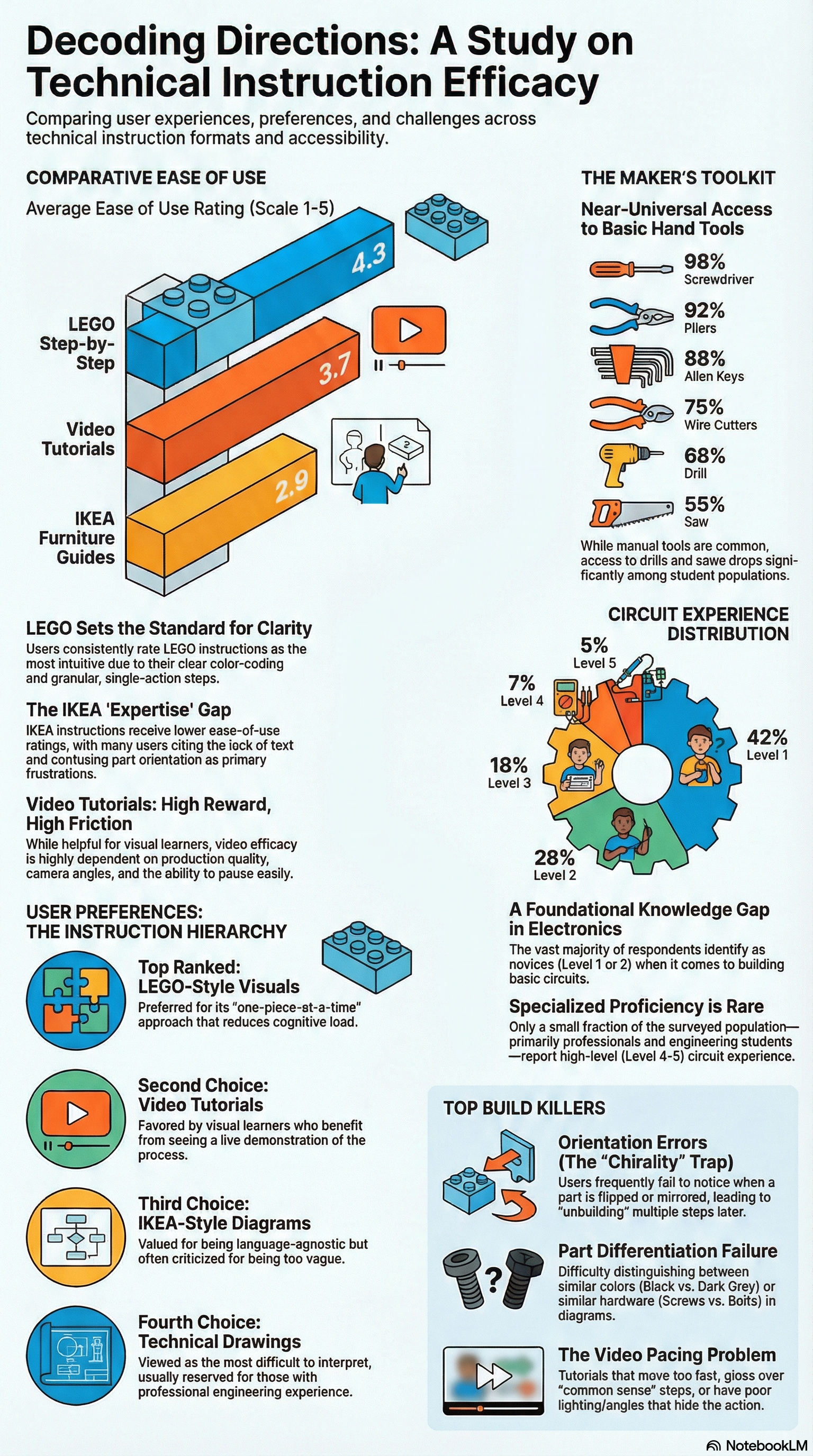
This prototype served to define constraints for the instructions we will provide to the user. We surveyed the skills and tools the average person has access to, preferences in tutorial style, and issues customers have with instruction books.

This prototype showed our original idea for a solution using a solenoid to push the ball down the ramp. We realized quickly that this would not work well because the ball moved down the ramp fast enough that the solenoid could no longer reach it effectively.
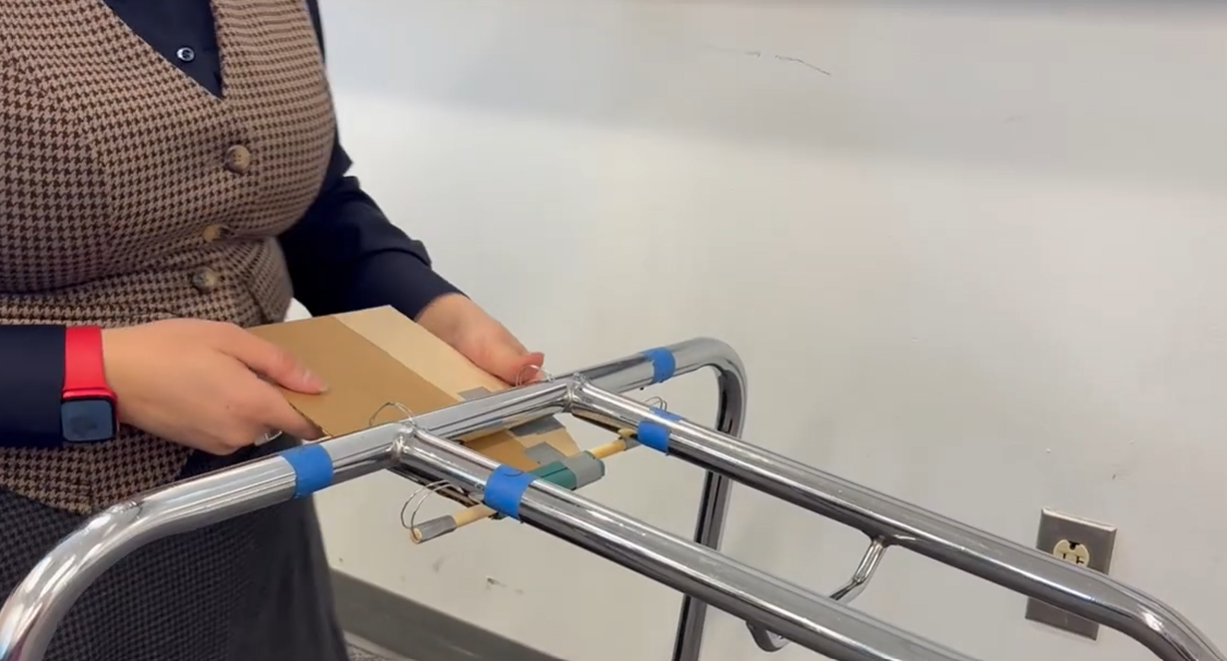
This prototype explored how the device could attach to the bowling ramp. It clips onto the back and sides of the ramp, stays out of the way of the ball, and provides enough stability to hold an attachment. A stronger version using metal rods and hose clamps may be part of the final mounting method.
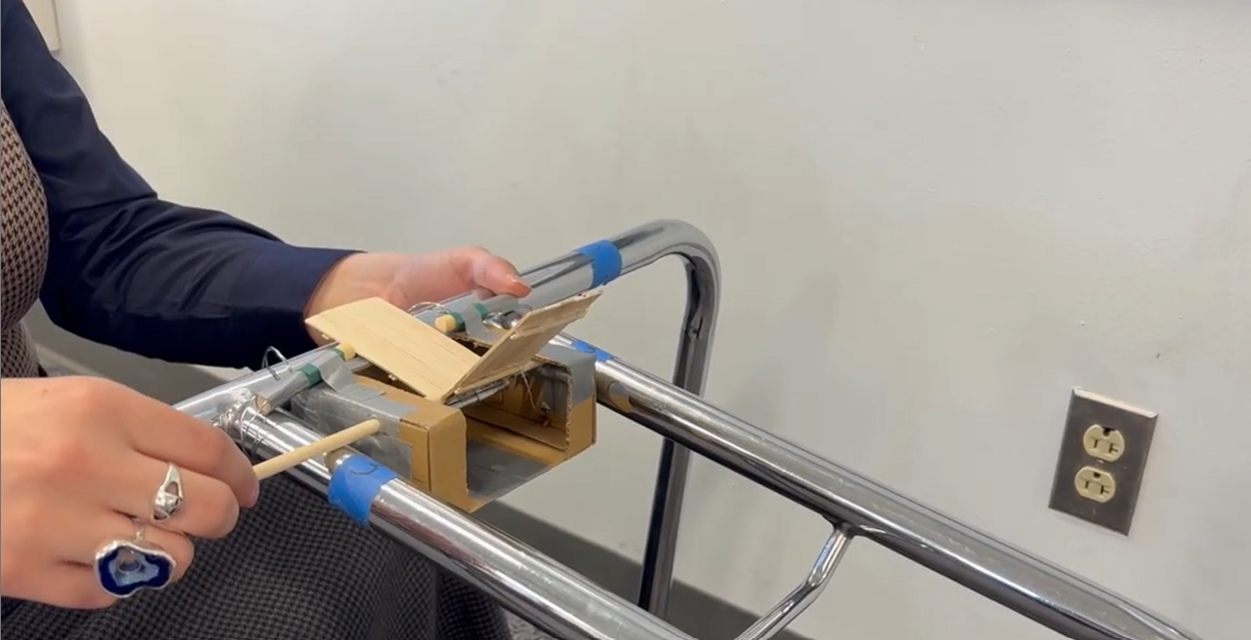
This prototype tested a different mechanical approach. A stepper motor rotates a paddle, with the front piece holding the ball in place and the rear portion helping push it forward with additional force as it travels down the ramp.
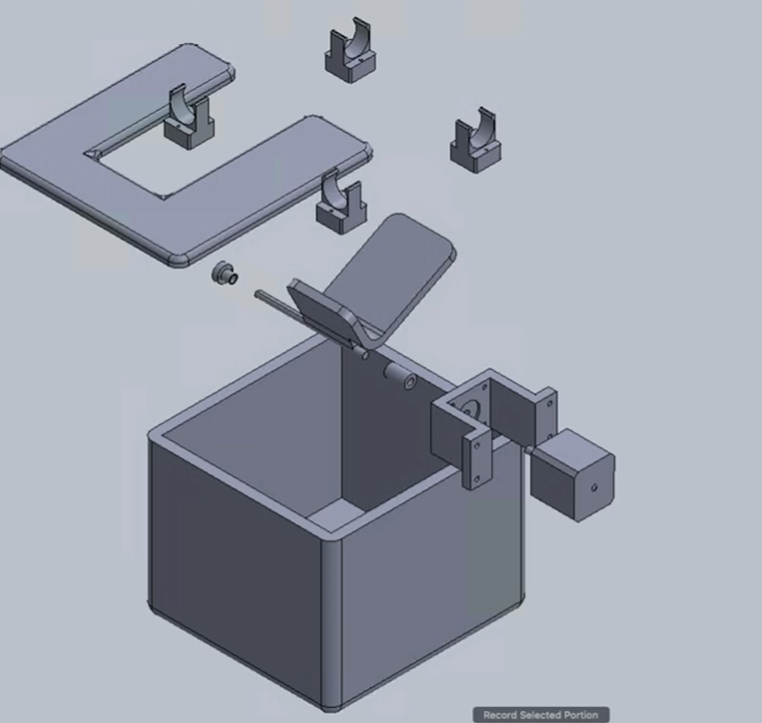
Another early prototype consisted of a SolidWorks model of our intended product to refine Prototype 4 into a more polished design. This model helped demonstrate the feasibility of the stepper motor concept and start defining the final product measurements.
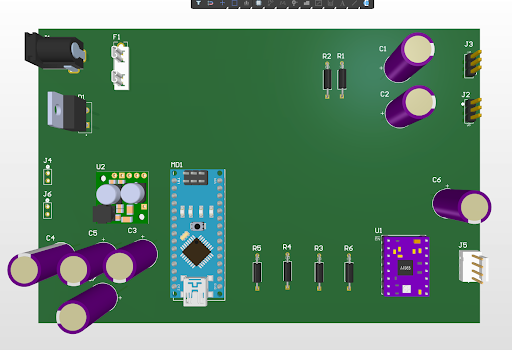
Another early prototype consisted of an Altium model of our intended product to begin building the electronics. This model helped demonstrate the feasibility of the all electronic components, and allowed us to iterate with a condensed model later down the line.
Together, these stages helped us evaluate usability, force delivery, stability, accessibility, and manufacturability. More importantly, they helped us move from “what could work” to “what should work best for the user.”
Our client’s feedback helped us focus on real-world use, safety, mounting reliability, and accessibility details we need to build into the final design.
Our client was excited to see how the project was developing and responded positively to the shape, design specifications, proposed functionality, transportability, and controllability reflected in the prototypes.
They emphasized the importance of accessible switch plug-in placement and button placement for functions such as speed or lights. We intentionally focused first on the core mechanical components and plan to integrate those electronic accessibility features as the enclosure design progresses.
We also received feedback about the stability and long-term durability of the mounting system. Our team is exploring whether existing parts could help solve this, or whether a custom mounting solution, potentially using stronger 3D printed ABS clips, will be necessary.
We also wanted feedback on safety around younger users, especially regarding fingers potentially getting caught in mechanical parts. Since the moving elements were not yet fully active in the prototype stage, the client had limited feedback at that point, and we plan to revisit this once the dynamic system is fully functioning.
The design is not just about making the mechanism work. It also needs to be safe, durable, easy to use, and practical in real environments. That feedback continues to guide the direction of the final Bowl4All device.
Every prototype brought us closer to a solution that is more practical, more inclusive, and more user-centered.
See Final Solution